
2026 Month-by-Month Beekeeping Calendar (USA)
Step-by-Step Guide for New & Growing Beekeepers
If you want to start or grow your beekeeping journey in 2026, timing is everything. Bees follow the seasons, not the calendar on our wall — but having a month-by-month beekeeping plan keeps your hives healthy, productive, and ready for winter.
This guide is written for USA beekeepers, from cold northern states to warm southern climates, and is especially helpful for beginners starting in 2026.
Before You Start: How to Use This 2026 Calendar
The USA is huge, and the weather in Minnesota is very different from Texas or Florida. So instead of exact dates, this calendar follows months and seasons, with notes for three broad regions:
-
Cold / North – e.g., Maine, Michigan, Wisconsin, Minnesota, Montana, North Dakota, northern New York, northern New England.
-
Moderate / Central – e.g., Mid-Atlantic, Midwest, Pacific Northwest, parts of Colorado/Utah.
-
Warm / South – e.g., Texas, Florida, Georgia, Alabama, Southern California, Arizona.
📝 Rule of thumb:
If spring arrives late where you live, shift everything 2–4 weeks later. If you have very mild winters, shift everything 2–4 weeks earlier. Local weather and nectar flow matter more than the calendar.
Getting Ready for 2026: What You Should Do Now (Anytime Before January)
Before your bees arrive:
-
Check local laws – Confirm any local ordinances about hive numbers, setbacks, or registration.
-
Order your bees early – Packages and nucs for Spring 2026 can sell out quickly.
-
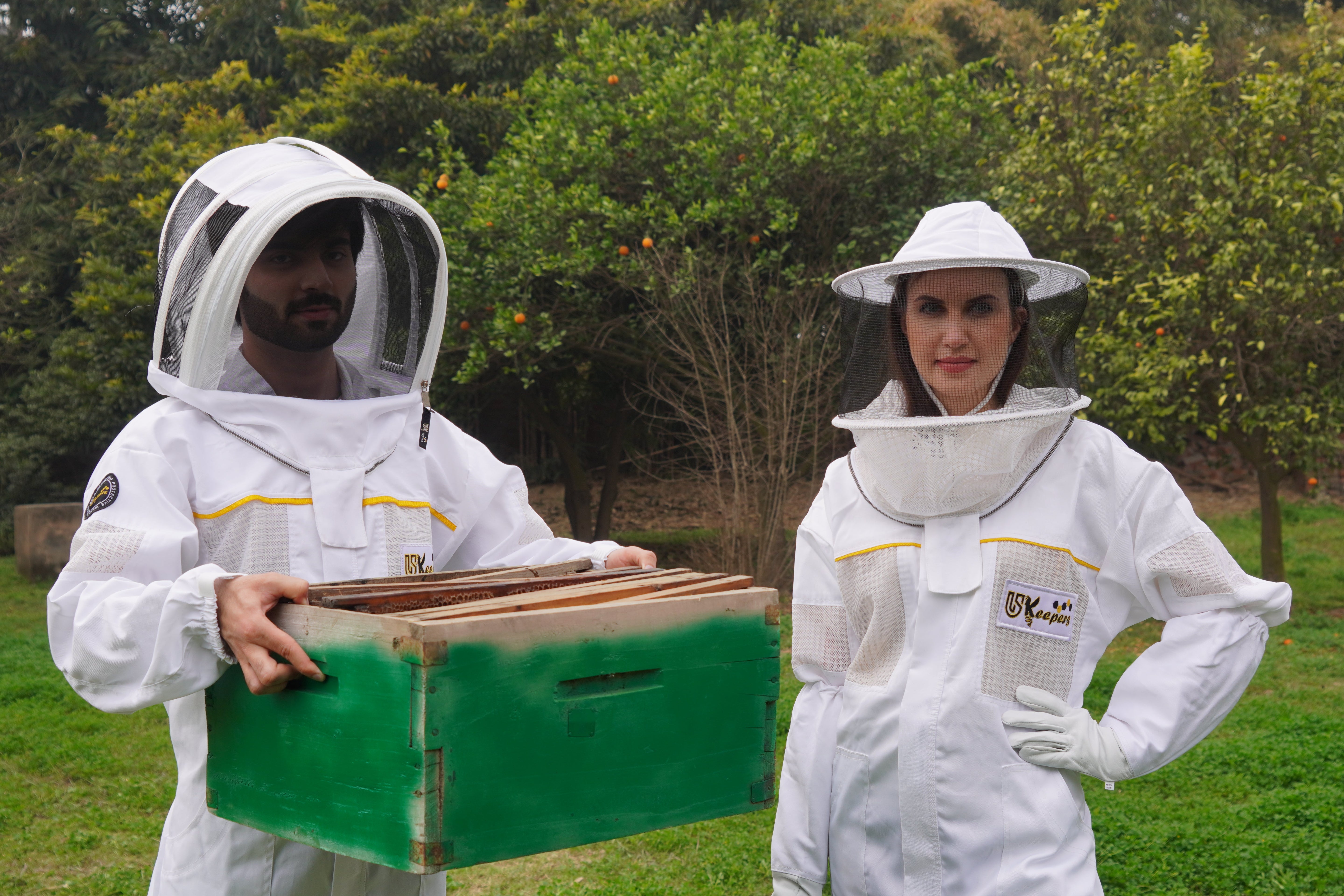
Buy quality protective gear – a bee suit or jacket, gloves, and a veil are essential for newcomers.
-
Decide your hive type – Most USA beekeepers use Langstroth hives.
-
Plan your apiary site – Morning sun, some afternoon shade, away from heavy foot traffic, and near water.
👉 Recommended protective gear options from USKEEPERS:
-
Full Protection Suit: USKEEPERS Premium 3-Layer Ventilated Professional Bee Suit (Full Suit) — ideal for heavy work and full-coverage protection.
https://www.uskeepers.us/products/premium-beekeeping-suit-3-layer-ventilated-professional-vip -
Light Jacket Option: USKEEPERS 3-Layer Bee Jacket — lightweight, flexible, and good for quick inspections or warmer climates.
https://www.uskeepers.us/products/beekeeping-jacket-3-layer-ventilated-beekeeper-bee-jacket-uskeepers -
Balanced Protection: USKEEPERS Semi-Ventilated Bee Suit — semi-ventilated design balances airflow and protection, suitable for moderate weather and longer hive work.
https://www.uskeepers.us/products/premium-beekeeper-suits-semi-ventilated-bee-keeper-protective-gear-copy
Choose the gear that fits your comfort, climate, and beekeeping style. Then use the 2026 calendar below as your monthly checklist.
January 2026 – Quiet Month, Critical Checks
In most of the USA, bees are in a winter cluster, eating stored honey and trying to stay warm. They may consume 1–2 pounds of honey per day in very cold weather.
All Regions
-
Do not open the hive fully in freezing weather.
-
Gently “heft” the hive to check weight — if light, emergency feeding might be needed.
-
Clear entrances of ice, snow, or dead bees.
-
Use this month to build and paint equipment and study beekeeping basics.
Cold / North
-
Add fondant/candy board if hives seem light.
-
Ensure upper ventilation works to reduce condensation.
Moderate / Central
-
On warmer days (50–55°F), briefly open to add sugar/fondant if needed.
-
Make sure lids and straps are secure; check wind protection.
Warm / South
-
Bees may take cleansing flights.
-
Check for ant activity and hive pests around the stand.
February 2026 – Late Winter Risk
Many hives starve in late winter even if they survived cold.
All Regions
-
Re-check weight; add emergency feed if needed.
-
Make 2026 beekeeping plan (hives, splits, queen-rearing, gear orders).
Cold / North
-
Continue candy/fondant feeding if cluster near top.
-
Keep inspections minimal — avoid breaking the cluster.
Moderate / Central
-
On a warm day, peek to confirm live cluster and honey stores.
-
Plan spring mite testing and treatments.
Warm / South
-
Brood rearing may begin increasing.
-
Switch to 1:1 sugar syrup if natural nectar is still scarce.
March 2026 – Brood Build-Up & Early Feeding
As days lengthen, queens increase egg-laying; brood expands, raising food demand.
All Regions
-
Check hive weight — starvation still possible.
-
Start 1:1 sugar syrup feeding if no natural nectar yet.
-
Add a pollen patty if natural pollen is scarce and colony is strong.
-
On warm days, inspect frames for brood, stores, and disease signs.
Cold / North
-
Keep inspections quick and only on calm, warmish days (>50–55°F).
-
Avoid adding too much space yet — brood needs warmth.
Moderate / Central
-
Early blooms from maples, willows, fruit trees may supply nectar/pollen.
-
Begin planning for possible swarm prevention in April–May.
Warm / South
-
Colonies may already be strong — swarming can begin as early as March.
-
Add extra space (supers or brood box) before overcrowding.
April 2026 – Main Spring Build-Up
All Regions
-
Perform first full inspection: check queen, brood, stores, and overall health.
-
Reverse brood boxes if using that method, so brood stays bottom and stores go up.
-
Add supers or extra brood boxes before congestion.
-
Begin swarm prevention plan: provide space, remove queen cells if necessary, or split strong colonies.
Cold / North
-
Swarm season may start late April/May — ensure hives are queen-right and building strongly.
Moderate / Central
-
With fruit-tree and willow nectar flows, adding honey supers early is effective.
Warm / South
-
Might already be in full nectar flow — check for swarm cells regularly; consider splitting to increase colony count.
May 2026 – Swarm Season & Honey Flow
All Regions
-
Inspect every 7–10 days during swarm season.
-
Look out for swarm cells (bottom/edges of frames), crowded brood nest.
-
Add supers as nectar storage begins.
-
Monitor Varroa mite levels — use sugar or alcohol roll tests and plan treatments that don’t contaminate honey.
Cold / North
-
Nectar flow may just begin — continue feeding if there’s a gap since winter stores.
Moderate / Central
-
First major honey-making month — avoid over-inspection, work calmly.
Warm / South
-
Honey capping may begin — plan early harvest by late May or June.
June 2026 – Peak Activity
All Regions
-
Ensure ventilation and entrance size are adequate as temperatures rise.
-
Continue swarm control — manage space and queen cells.
-
Rotate full supers with empty ones.
-
Keep up regular mite monitoring.
Cold / North
-
Main honey flow — give supers proactively before bees swarm due to crowding.
Moderate / Central
-
Balance honey production with swarm prevention; consider shade/ventilation in heat.
Warm / South
-
Main nectar flow may end soon — plan splits if you want more colonies before winter.
July 2026 – Heat Management & Honey Capping
All Regions
-
Watch for robbing when nectar becomes scarce.
-
Adjust entrance: reduce for defense, reopen for cooling if heat is extreme, then reduce again if robbing begins.
-
Provide steady water near hives.
-
Remove and store capped honey supers.
Cold / North
-
Depending on flora and latitude, honey flow may continue (wildflowers, goldenrod, etc.).
Moderate / Central
-
Nectar flow may dwindle — if so, consider light feeding (unless supers are present).
Warm / South
-
Dearth likely — bees may get defensive; robbing common.
-
Carefully manage hive entrance and environment to avoid bee stress.
August 2026 – Mite Management & Late Flows
All Regions
-
Perform mite tests (sugar or alcohol roll) and treat if necessary — only after removing honey supers.
-
Combine weak colonies to strengthen before winter.
-
Prepare for late-summer / fall nectar flows (wildflowers, goldenrod, etc.).
🐝 Note for beekeepers:
Third Saturday of August = National Honey Bee Day — good time to talk about bees & honey with community or customers.
September 2026 – Fall Flow & National Honey Month 🇺🇸
Nectar from goldenrod, asters and wildflowers often arrives this month — last major flow of the year in many regions.
All Regions
-
Evaluate honey stores for winter readiness:
-
Cold/North: aim for 80–100+ lb per hive.
-
Warmer climates: less honey may be enough but still substantial stores needed.
-
-
If stores are insufficient — feed 2:1 sugar syrup.
-
Continue mite monitoring and treat if needed.
-
Reduce entrance size to prevent robbing as outside forage declines.
Cold / North
-
Critical time to ensure hives are heavy for winter — finish mite treatments early, allow bees to raise “winter bees.”
Moderate / Central
-
Consolidate brood boxes; plan for mouse guards if rodents are a concern.
Warm / South
-
Autumn nectar helps strengthen colonies — good for late buildup.
-
If splitting strong colonies, ensure there’s enough time for them to build up before winter weather arrives.
October 2026 – Winter Prep, Final Touches
All Regions
-
Finish feeding — ensure syrup is capped before cold arrives.
-
Remove extra supers — leave only brood boxes & necessary stores.
-
Install mouse guards and reduce entrance size.
-
Secure hive lids; ensure proper ventilation; protect against wind/animals.
Cold / North
-
Consider insulation wraps or wind shielding if winters are severe.
-
Maintain proper upper ventilation to avoid condensation buildup.
Moderate / Central
-
Light insulation may suffice — focus on wind protection and leak prevention.
-
Remove any old or damaged combs if you decided to cull them.
Warm / South
-
Winters milder, but mites & small hive beetles may remain active — continue monitoring.
November 2026 – Let the Bees Rest
All Regions
-
Avoid frequent inspections — only open hives for emergencies.
-
On mild days, ensure entrances are clear and ventilation is adequate.
-
Inspect for moisture or condensation issues inside.
-
Plan 2027 beekeeping goals — expansions, new hives, queen rearing, etc.
December 2026 – Planning & Learning Month
Bees remain clustered; your focus shifts outside the hive.
All Regions
-
Attend bee-club meetings, workshops, or online courses.
-
Clean and repair smokers, hive tools, boxes, frames.
-
Review your 2026 records to see which colonies performed best.
-
Prepare or order equipment for 2027 — hives, protective gear, tools, etc.
Gear & Safety Tip for Beginners
Throughout the 2026 season — especially during spring build-ups, swarming, honey seasons, and hot summer inspections — proper, ventilated protective gear is essential.
Recommended USKEEPERS Protective Gear:
-
Full Coverage: USKEEPERS Premium 3-Layer Ventilated Professional Bee Suit (Full Suit) — for maximum protection during heavy hive work.
https://www.uskeepers.us/products/premium-beekeeping-suit-3-layer-ventilated-professional-vip -
Lightweight Jacket: USKEEPERS 3-Layer Bee Jacket — for quick inspections, mild weather, or those who prefer mobility.
https://www.uskeepers.us/products/beekeeping-jacket-3-layer-ventilated-beekeeper-bee-jacket-uskeepers -
Balanced Protection: USKEEPERS Semi-Ventilated Bee Suit — combines airflow and protection, ideal for moderate climates and longer inspections.
https://www.uskeepers.us/products/premium-beekeeper-suits-semi-ventilated-bee-keeper-protective-gear-copy
You can choose the option that fits your climate, comfort level and hive workload best.
Final Thoughts: Adjust for Your Local 2026 Weather
This beekeeping calendar is a seasonal guideline, not a rigid schedule. Success depends on:
-
Local climate and frost/bloom dates
-
Nectar flow & flower cycles nearby
-
Hive health, strength, and bee behavior
-
Proper feed management and protection
If spring arrives late — shift this schedule 2–4 weeks later. In warm climates — shift earlier. With timely inspections, solid hive management, and reliable protective gear (suit, jacket, or semi-ventilated suit from USKEEPERS), 2026 can be your most successful beekeeping season yet.